How to Buy Land in California

California's land market is the most complex and varied in the United States. The state's 164,000 square miles encompass Pacific coastline, Central Valley farmland, Sierra Nevada mountains, Mojave and Colorado deserts, redwood forests, and everything in between. Land prices range from millions per acre on the Malibu coast to under $1,000 per acre in remote desert and mountain areas.

The defining characteristic of California land buying is regulation. Environmental review (CEQA), water rights, endangered species protections, seismic requirements, fire hazard zones, and local zoning create a regulatory environment unlike any other state. What you can do with your land in California is heavily governed by what the state, county, and various agencies permit. Buyers accustomed to the freedom of rural Southern states will find California's regulatory landscape a significant adjustment.

How to Buy Land in California

What to Know Before You Buy Land in California

California land purchases require more due diligence than almost any other state. Water is the first concern — verify water rights, well feasibility, and any water district restrictions. Fire hazard severity zone classification affects building codes, insurance, and vegetation management requirements. CEQA (California Environmental Quality Act) may apply to development projects, requiring environmental review that can take months or years.

Prop 13 limits property tax increases to 2% per year from the purchase price, which benefits long-term owners. However, reassessment at purchase means your tax basis resets to current market value when you buy. Building costs in California are among the highest in the nation due to seismic codes, energy requirements (Title 24), fire codes, and labor costs. Rural California counties (Modoc, Lassen, Siskiyou, Inyo) offer the most affordable land but with extremely limited services and cold winters at elevation.

5 Pros to Buying Land in California

1. World-class climate. Coastal and Central California have arguably the best climate in North America — mild, dry, and sunny for most of the year.

2. Economic powerhouse. California's economy is the 5th largest in the world. Major metros offer employment, innovation, and cultural opportunities unmatched elsewhere.

3. Central Valley agriculture. The most productive agricultural region on Earth — farmland here produces an extraordinary range and volume of crops.

4. Natural beauty. Yosemite, Big Sur, Redwoods, Tahoe, Joshua Tree — the state's scenic assets are unparalleled.

5. Renewable energy potential. Abundant sunshine and wind make California land excellent for solar and wind energy installations.

5 Cons to Buying Land in California

1. Extreme regulations. CEQA, water rights, fire hazard zones, endangered species, seismic codes, and local zoning create the most complex regulatory environment in the nation.

2. Water scarcity. Drought and water rights are existential issues. Many rural parcels have no reliable water source, and rights are heavily regulated.

3. Wildfire risk. Much of rural California is in high fire hazard zones, affecting insurance availability and building requirements.

4. High costs. Property taxes (Prop 13 notwithstanding), insurance, building costs, and fees are among the highest in the country.

5. Coastal unaffordability. Prime California land — the coast and major metros — is out of reach for most buyers.

Land Market Snapshot in California

Coastal California (Los Angeles, San Francisco, San Diego, Santa Barbara) has some of the most expensive land in the world. The Central Valley offers agricultural land at high prices reflecting its extraordinary productivity. Northern California mountains and the inland deserts (Kern, San Bernardino, Imperial counties) are where affordable acreage exists. The state's high desert regions and far-north mountain areas offer the best value — large parcels at low per-acre prices. However, these areas often lack water, utilities, and the infrastructure that makes development feasible.

Popular Uses for Land in California

Coastal California (Los Angeles, San Francisco, San Diego, Santa Barbara) has some of the most expensive land in the world. The Central Valley offers agricultural land at high prices reflecting its extraordinary productivity. Northern California mountains and the inland deserts (Kern, San Bernardino, Imperial counties) are where affordable acreage exists. The state's high desert regions and far-north mountain areas offer the best value — large parcels at low per-acre prices. However, these areas often lack water, utilities, and the infrastructure that makes development feasible.

FAQs

Where is cheap land in California?

The most affordable California land is in the far-north mountain counties (Modoc, Siskiyou, Lassen), the high desert (eastern Kern, San Bernardino interior), and the far-south desert (Imperial County). These areas offer large parcels at per-acre prices that would be unrecognizable to coastal Californians. The trade-off is extreme remoteness, harsh climate (cold mountain winters or scorching desert summers), limited services, and in many cases, no water. For buyers who can handle the challenges, these areas offer genuine California land ownership at prices comparable to rural Southern states.

What is CEQA and how does it affect land development?

CEQA (California Environmental Quality Act) is a state law requiring environmental impact analysis for projects that may significantly affect the environment. For land development, this can mean preparing an Environmental Impact Report (EIR) before building — a process that can take months to years and cost tens of thousands of dollars. Not all projects trigger full CEQA review — small residential projects may qualify for exemptions. However, any significant development proposal in California should budget time and money for CEQA compliance. This is one of the primary reasons development in California is slower and more expensive than other states.

Is California farmland a good investment?

California's Central Valley farmland is among the most productive and valuable agricultural land in the world. Permanent crops (almonds, pistachios, grapes, citrus) generate strong income on irrigated land. However, water rights and water availability are the critical investment factors — farmland without reliable water is worth a fraction of irrigated land, and California's ongoing water challenges create uncertainty. Farmland prices in the Central Valley have appreciated significantly over decades. For investors with capital and water-rights knowledge, California farmland remains a strong long-term asset class.

The Complete Land Buying Checklist

Don't close on land without checking every box. Our step-by-step due diligence checklist covers county offices, zoning, utilities, title, taxes, HOA/POA dues, and closing paperwork — so nothing slips through the cracks.

Download the Checklist

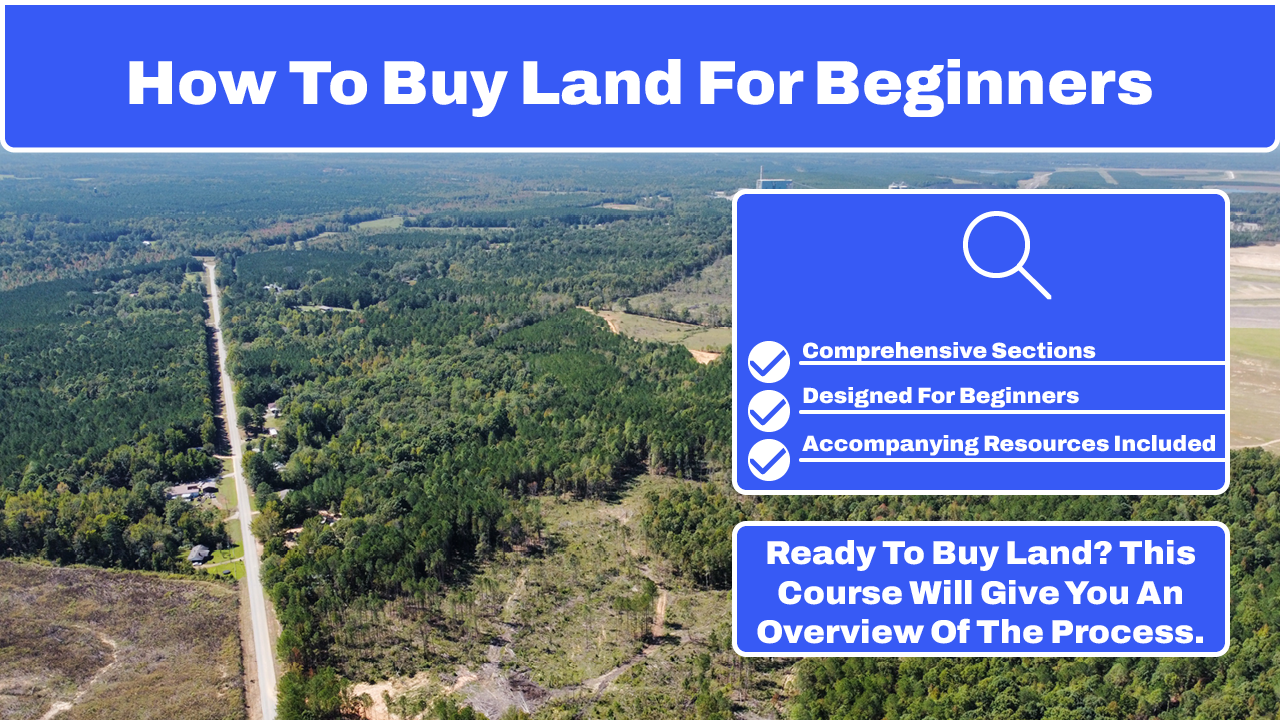
How To Buy Land for Beginners Course

New to land buying? This guide walks you through the entire process — from defining your goals and finding the right parcel to making an offer, conducting due diligence, and closing the deal with confidence.

Get the Guide

Learn About Debrosland:

Are you looking at buying land? We are Seth and Bryce, brothers who operate Debrosland, a land company based in Timnath, Colorado. Our company was built on the foundation of our family's farm, so we understand what it means to live and breathe life on the land. For those that have had the privilege of that experience, you know what it feels like. For those who have not, we wanted to bottle up that experience and give it to the world—and that is why we created Debrosland. There is no greater feeling than waking up to the beauty of this Earth on your own land, and that experience is something we hope you get to enjoy soon!

We are proud to say we can trace our family lineage back to the American Revolution, and we are Americans whose family helped establish this great country. Our country was established on the foundation of controlling our own destiny, so don't take it for granted—grab it. Helping you buy your dream parcel of land would be a privilege if you choose to work with us.

To your land ownership,

How to Buy Land in California

Major Cities in California

Los Angeles | San Francisco | San Diego | San Jose | Sacramento | Fresno | Oakland | Bakersfield | Riverside | Stockton | Redding | Eureka

Browse Land in Other States

Alabama | Alaska | Arizona | Arkansas | California | Colorado | Connecticut | Delaware | Florida | Georgia | Hawaii | Idaho | Illinois | Indiana | Iowa | Kansas | Kentucky | Louisiana | Maine | Maryland | Massachusetts | Michigan | Minnesota | Mississippi | Missouri | Montana | Nebraska | Nevada | New Hampshire | New Jersey | New Mexico | New York | North Carolina | North Dakota | Ohio | Oklahoma | Oregon | Pennsylvania | Rhode Island | South Carolina | South Dakota | Tennessee | Texas | Utah | Vermont | Virginia | Washington | West Virginia | Wisconsin | Wyoming

Want To Buy Land?

Debrosland specializes in creating value for each buyer that walks through our door across America. We have land inventory across the country, so if you are interested in buying, we might just have something that will work for your needs and wants. Check out our land for sale button below, or you can get in touch with our team today!

Get In Touch

Thank you! Your submission has been received!
Oops! Something went wrong while submitting the form.