$
Annual amount. We'll divide by 12 for the monthly line.
Each state has its own market, financing landscape, and closing process. Find your state.
Yes. Every land purchase should close through a real estate attorney or title company. They run the title search, draft the deed, handle escrow, and record the deed at the county courthouse. Never DIY a land closing — the cost of professional closing is small compared to the cost of a defective title or a missed easement.
Most cash land closings run 7 to 30 days from accepted offer. Financed closings take 30 to 60 days depending on the loan type and lender. The biggest variables are title search timing, survey lead time, and how quickly both sides return signed documents. Cash closings move fastest; bank-financed construction loans move slowest.
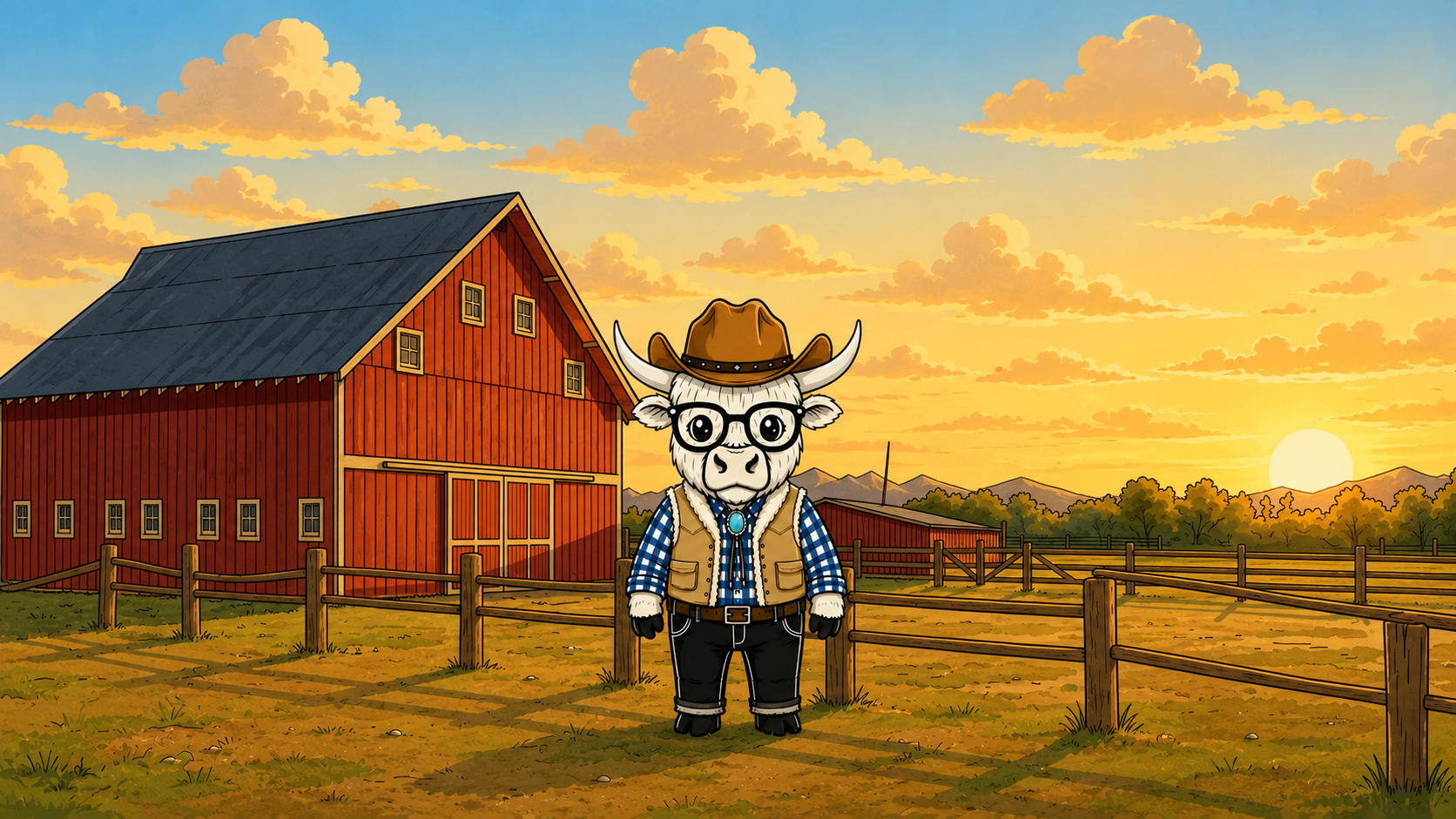
"Howdy. I'm Benji — Debrosland's Highland cow and brand ambassador. Stick around and I'll show you the ropes of land ownership."
Buying land is one of the best moves you'll ever make — and one of the easiest to get wrong. Back taxes. Bad access. Deals that look good on paper and turn out to be landlocked swamp. So our team put a few things together for you. Pick the one that fits where you're at.
The one I wish every first-timer had. Takes ten minutes. Saves you months.
Get the checklist →Everything Seth would tell you if you had him in your ear for a week.
See the course →Got a specific deal on the table? Straight answers, no sales pitch.
Book a call →Checklist, course, and the call — the whole kit.
Get the bundle →Browse listings, ask a financing question, or just talk through what you're looking for. No agents, no pressure — just a conversation.
New York's land market has the widest price range of any state. The NYC metro (Long Island, Westchester, Rockland, northern NJ commuter zone) is among the most expensive in the world. Upstate New York — the vast region above the metro — is a different universe, with affordable farmland, Adirondack mountain wilderness, Finger Lakes wine country, and the economically challenged Southern Tier and North Country.
The Adirondack Park — a 6-million-acre patchwork of public and private land — is the largest protected area in the contiguous US and creates a unique land market with strict development controls.
NYC metro is ultra-premium. Hudson Valley has risen sharply (remote-work migration). The Finger Lakes and Catskills are moderate with vacation/lifestyle appeal. The Adirondacks have strict regulations but stunning property. The Southern Tier and North Country have the cheapest land.
1. NYC economy. Access to the world's financial capital and its employment.
2. Adirondack wilderness. 6 million acres of protected parkland — the largest in the lower 48.
3. Finger Lakes beauty. Wine country, gorges, and lakefront in one of the most scenic regions in the East.
4. Hudson Valley culture. Arts, farm-to-table dining, and weekend-country estates driving a vibrant market.
5. Upstate affordability. Large acreage at prices that shock NYC residents.
1. NYC metro prices. Among the most expensive land in the world within the metro.
2. High taxes. New York has among the highest combined state and local tax burdens in the nation.
3. Adirondack restrictions. APA (Adirondack Park Agency) regulates development strictly within the park.
4. Cold winters. Upstate winters are harsh — heavy snow, cold temperatures, lake-effect storms.
5. Population decline upstate. Many upstate counties have been losing population for decades.
The Adirondack Park Agency (APA) regulates land use within the Adirondack Park — development permits are required and density is strictly limited. Outside the park, local zoning varies by town. NY property taxes are among the highest in the nation, with STAR exemptions for primary residences. Agricultural districts provide some tax protection for farmland. Environmental reviews may be required under SEQRA for development projects.
Adirondack recreation. Mountain homes, lake property, and wilderness access.
Finger Lakes wine/agriculture. Vineyards, orchards, and farmland in the scenic lake region.
Hudson Valley estates. Country homes and gentleman farms for NYC weekenders.
Upstate farming. Dairy, produce, and specialty agriculture on affordable land.
The Southern Tier (Allegany, Cattaraugus, Steuben counties), the North Country (St. Lawrence, Lewis, Franklin counties), and the Mohawk Valley (Herkimer, Oneida) have the cheapest land. Large wooded and agricultural parcels are available at per-acre prices comparable to many Southern states. These areas face economic challenges but offer genuine rural character.
The Adirondack Park is a 6-million-acre area in northern New York — larger than Yellowstone, Yosemite, Glacier, Grand Canyon, and Great Smoky Mountains national parks combined. About half is state-owned "forever wild" land; the rest is private. The Adirondack Park Agency regulates private land development, classifying parcels by intensity of permitted use. This creates unique buying considerations — verify APA classification before purchasing.
The Hudson Valley has seen dramatic price increases, accelerated by remote-work migration from NYC during 2020-2022. Dutchess, Columbia, and Ulster counties have the highest prices. The area's farm-to-table culture, scenic beauty, and train access to NYC drive demand. Further north (Greene, Schoharie, Delaware counties) prices moderate. The Hudson Valley is no longer a budget market but offers lifestyle value for NYC-connected buyers.
New York City | Buffalo | Rochester | Syracuse | Albany | Yonkers | Ithaca | Saratoga Springs | Utica | Kingston | Lake Placid
Alabama | Alaska | Arizona | Arkansas | California | Colorado | Connecticut | Delaware | Florida | Georgia | Hawaii | Idaho | Illinois | Indiana | Iowa | Kansas | Kentucky | Louisiana | Maine | Maryland | Massachusetts | Michigan | Minnesota | Mississippi | Missouri | Montana | Nebraska | Nevada | New Hampshire | New Jersey | New Mexico | New York | North Carolina | North Dakota | Ohio | Oklahoma | Oregon | Pennsylvania | Rhode Island | South Carolina | South Dakota | Tennessee | Texas | Utah | Vermont | Virginia | Washington | West Virginia | Wisconsin | Wyoming