How to Buy Land in Arizona

Arizona's land market spans dramatic extremes — from the scorching Sonoran Desert floor around Phoenix and Tucson to the cool pine forests of Flagstaff and the White Mountains at 7,000+ feet elevation. The state has been one of the fastest-growing in the nation for decades, with the Phoenix metro area absorbing hundreds of thousands of new residents. This growth has pushed suburban land prices up sharply while leaving vast rural areas remarkably affordable.

Outside the metro growth corridors, Arizona offers enormous tracts of desert, rangeland, and forest at prices that surprise buyers from coastal states. However, water is the defining constraint — in a state that averages 13 inches of rainfall annually, water rights and access determine land viability more than almost any other factor.

How to Buy Land in Arizona

What to Know Before You Buy Land in Arizona

Water is the first, second, and third question for any Arizona land purchase. Verify whether a well is legally permitted on the parcel, what the expected depth and yield would be, and whether the area has any groundwater restrictions. Some parts of Arizona are in Active Management Areas where well permits are restricted. In areas without groundwater, you may need to haul water — understand the cost and logistics before committing.

For desert parcels, verify legal road access. Many advertised "lots" in Arizona are in unimproved subdivisions platted decades ago with no maintained roads, no utilities, and no realistic path to development. These are sometimes sold cheaply online to out-of-state buyers who've never visited. Always visit before purchasing, verify road access with the county, and confirm utility availability. Arizona's building codes vary by county — Maricopa and Pima have strict codes while some rural counties have minimal requirements.

5 Pros to Buying Land in Arizona

1. Sunshine. Arizona averages 300+ days of sunshine per year, making it ideal for solar power, outdoor living, and year-round enjoyment in much of the state.

2. Growth market. The Phoenix metro has been among the fastest-growing in the U.S. for two decades, driving land appreciation in the growth corridors.

3. No humidity. The desert climate means dry heat, minimal mold issues, and a comfortable environment for those who dislike the Southeast's humidity.

4. Diverse terrain. Desert, mountains, canyons, forests, and high-desert grassland — Arizona has more landscape variety than most people realize.

5. Affordable rural acreage. Outside the metros, large parcels of desert and rangeland are available at very low per-acre prices.

5 Cons to Buying Land in Arizona

1. Water scarcity. The defining challenge. Many rural parcels have no water source — no well, no municipal water, no surface water. Hauling water is expensive and unsustainable long-term.

2. Extreme heat. Phoenix regularly exceeds 110°F in summer. The low desert is dangerously hot for months each year.

3. Remote desert parcels are remote. Cheap desert lots often have no road, no utilities, no cell service, and no neighbors. "Affordable" doesn't mean "usable" without significant investment.

4. Well depth and cost. Where wells are viable, they can be extremely deep (500-1,000+ feet in some areas), costing $50,000-$100,000+.

5. State trust land confusion. Arizona has extensive state trust land that looks like open land but is not available for private purchase without a lease or sale process through the State Land Department.

Land Market Snapshot in Arizona

The Phoenix metro (Maricopa County) is Arizona's economic engine and most expensive land market, with suburban lots and development parcels commanding high prices. Tucson (Pima County) is more moderate. Flagstaff and Prescott in the northern highlands attract buyers seeking mountain-town living at premium prices for rural Arizona. The truly affordable land is in the rural counties — Mohave, Cochise, La Paz, Navajo, and Apache counties offer large desert and rangeland parcels at very low per-acre costs. The market for these remote parcels moves slowly, and buyers should understand that cheap desert land often lacks water, utilities, and road access.

Popular Uses for Land in Arizona

The Phoenix metro (Maricopa County) is Arizona's economic engine and most expensive land market, with suburban lots and development parcels commanding high prices. Tucson (Pima County) is more moderate. Flagstaff and Prescott in the northern highlands attract buyers seeking mountain-town living at premium prices for rural Arizona. The truly affordable land is in the rural counties — Mohave, Cochise, La Paz, Navajo, and Apache counties offer large desert and rangeland parcels at very low per-acre costs. The market for these remote parcels moves slowly, and buyers should understand that cheap desert land often lacks water, utilities, and road access.

FAQs

Can I drill a well anywhere in Arizona?

No. Arizona regulates groundwater through Active Management Areas (AMAs) and Irrigation Non-Expansion Areas (INAs). In AMAs — which cover the Phoenix, Tucson, Prescott, Pinal, and Santa Cruz areas — well drilling is more restricted and may require permits or be limited to certain uses. Outside AMAs, well drilling is generally less restricted but still requires a permit from the Arizona Department of Water Resources. In some areas, the water table is so deep that drilling a well is technically possible but prohibitively expensive. Always research water availability before purchasing any rural Arizona parcel.

Is cheap Arizona desert land a good investment?

It depends entirely on the specific parcel. Cheap desert lots (often $1,000-$5,000 per acre) in remote Arizona counties can be legitimate purchases for off-grid recreation, camping, or long-term holds. However, many are in subdivisions platted decades ago with no infrastructure, no water, no maintained roads, and no realistic development path. These parcels may never appreciate meaningfully. The key questions are: Does it have legal road access? Can you get water? Are utilities available or feasible? If the answer to these is no, the land is essentially recreational desert — worth what you'd pay for a camping spot, not what you'd pay for developable property.

What is the best area to buy land in Arizona?

It depends on your goals. For appreciation and growth, the Phoenix metro's expanding edges (Buckeye, Queen Creek, Maricopa, San Tan Valley) have strong trajectories. For mountain living, Prescott, Payson, and the White Mountains offer pine forests and cooler temperatures. For affordable large-acreage rural property, Cochise County (near Sierra Vista), Mohave County, and parts of Navajo and Apache counties offer the most land for the least money. For retirement and winter living, the Tucson area offers a balance of affordability, amenities, and climate. Research the specific area's water situation before committing to any rural Arizona purchase.

The Complete Land Buying Checklist

Don't close on land without checking every box. Our step-by-step due diligence checklist covers county offices, zoning, utilities, title, taxes, HOA/POA dues, and closing paperwork — so nothing slips through the cracks.

Download the Checklist

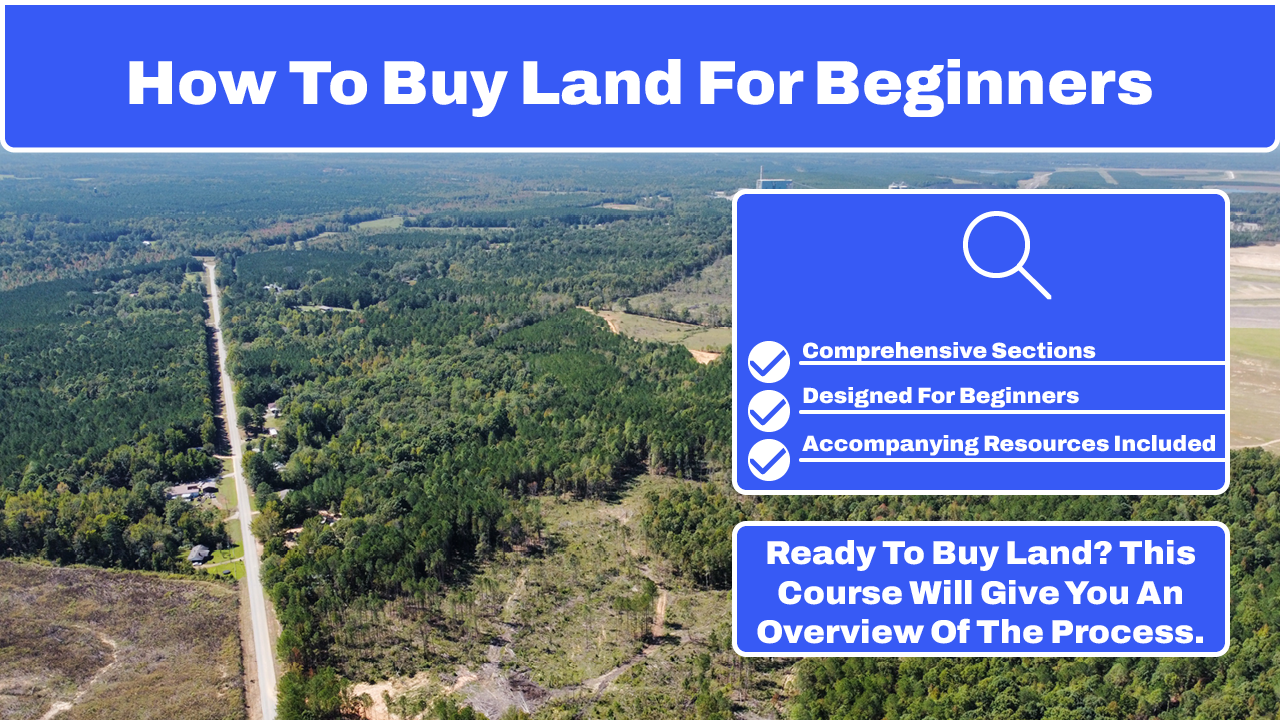
How To Buy Land for Beginners Course

New to land buying? This guide walks you through the entire process — from defining your goals and finding the right parcel to making an offer, conducting due diligence, and closing the deal with confidence.

Get the Guide

Learn About Debrosland:

Are you looking at buying land? We are Seth and Bryce, brothers who operate Debrosland, a land company based in Timnath, Colorado. Our company was built on the foundation of our family's farm, so we understand what it means to live and breathe life on the land. For those that have had the privilege of that experience, you know what it feels like. For those who have not, we wanted to bottle up that experience and give it to the world—and that is why we created Debrosland. There is no greater feeling than waking up to the beauty of this Earth on your own land, and that experience is something we hope you get to enjoy soon!

We are proud to say we can trace our family lineage back to the American Revolution, and we are Americans whose family helped establish this great country. Our country was established on the foundation of controlling our own destiny, so don't take it for granted—grab it. Helping you buy your dream parcel of land would be a privilege if you choose to work with us.

To your land ownership,

How to Buy Land in Arizona

Major Cities in Arizona

Phoenix | Tucson | Mesa | Chandler | Scottsdale | Glendale | Tempe | Flagstaff | Prescott | Yuma | Lake Havasu City | Sierra Vista

Browse Land in Other States

Alabama | Alaska | Arizona | Arkansas | California | Colorado | Connecticut | Delaware | Florida | Georgia | Hawaii | Idaho | Illinois | Indiana | Iowa | Kansas | Kentucky | Louisiana | Maine | Maryland | Massachusetts | Michigan | Minnesota | Mississippi | Missouri | Montana | Nebraska | Nevada | New Hampshire | New Jersey | New Mexico | New York | North Carolina | North Dakota | Ohio | Oklahoma | Oregon | Pennsylvania | Rhode Island | South Carolina | South Dakota | Tennessee | Texas | Utah | Vermont | Virginia | Washington | West Virginia | Wisconsin | Wyoming

Want To Buy Land?

Debrosland specializes in creating value for each buyer that walks through our door across America. We have land inventory across the country, so if you are interested in buying, we might just have something that will work for your needs and wants. Check out our land for sale button below, or you can get in touch with our team today!

Get In Touch

Thank you! Your submission has been received!
Oops! Something went wrong while submitting the form.